Your People or Your Growth? The Double-Edged Reality of Pattaya's Expat Social Scene

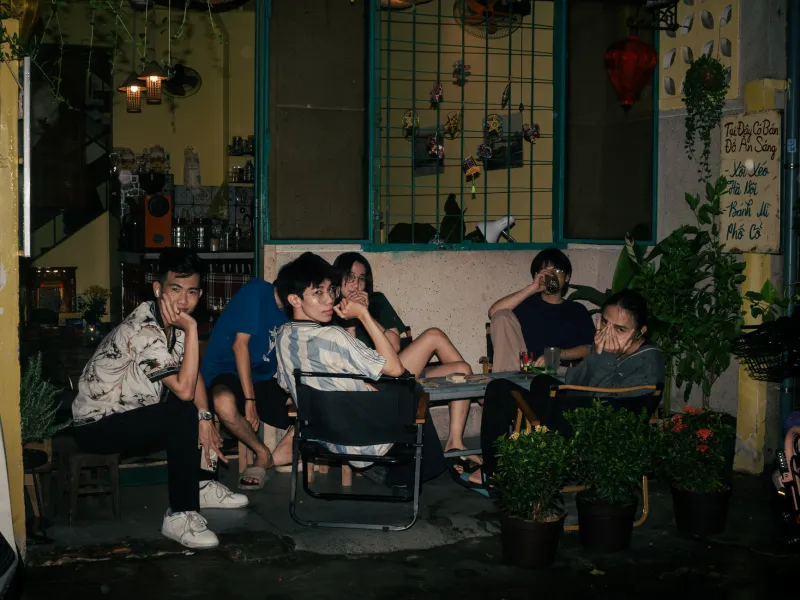
There's a bar on a side street not far from Jomtien Beach where a group of American guys meets every Tuesday afternoon. Same table, same drinks, same conversation — usually some version of complaining about Thai bureaucracy or debating which expat-friendly restaurant does the best burger. Nobody at the table speaks more than a dozen words of Thai. Most of them have lived in Pattaya for over three years.
This scene plays out in dozens of variations across the city, and if you're an American who's spent any time here, you've probably already been invited to join one. The expat bubble in Pattaya is real, it's comfortable, and — depending on how you use it — it's either the best thing that'll happen to you here or the quiet reason you eventually leave feeling like you missed the whole point.
Why the Bubble Forms (and Why It Feels So Good)
Let's be honest: moving to a country where you don't speak the language, don't fully understand the culture, and aren't entirely sure you're doing anything right is genuinely stressful. The moment you find someone who gets your references, laughs at your jokes, and can explain what's actually happening at the immigration office — you hold on tight.
Pattaya makes this especially easy. The city has one of the largest English-speaking expat communities in Southeast Asia, with a particularly strong American and British presence. There are Facebook groups, weekly meetups, sports leagues, and entire neighborhoods where you can go days without needing to communicate in anything other than English. For someone fresh off the plane, this infrastructure feels like a gift.
"The first six months, I basically lived inside the expat world," says Marcus, a 44-year-old from Phoenix who relocated to Pattaya in 2021. "And honestly? I needed it. I was overwhelmed. Having a group of guys who knew the ropes made everything manageable."
That initial stabilizing function is real and shouldn't be dismissed. Culture shock is not a myth. Having a social safety net when you're navigating a new country solo is a legitimate psychological need.
When Comfort Becomes a Ceiling
The problem isn't the bubble — it's what happens when you stop noticing you're in it.
Expats who spend years circulating exclusively within English-speaking social circles often describe a creeping sense of dissatisfaction they can't quite name. Life is fine. Things are convenient. But something feels thin. What they're usually describing is the slow erosion of genuine cultural engagement — the kind that only comes from real relationships with Thai people, not just transactional ones with landlords and servers.
"I realized after two years that I knew almost nothing about the country I was living in," admits Sandra, a 51-year-old former teacher from Oregon. "I knew Pattaya's expat scene inside out. I could tell you every bar quiz night, every American-owned business, every Facebook drama. But I couldn't tell you anything real about my neighbors or what holidays actually meant to people here."
The hidden costs add up in ways that aren't always obvious. Staying insulated limits your Thai language development, which in turn limits your independence and your ability to negotiate, travel off the beaten path, or handle emergencies without a translator. It also tends to reinforce a particular — and often cynical — lens on Thailand, one filtered almost entirely through the complaints and frustrations of other foreigners.
There's also a social dynamics problem. Expat communities, especially in party-centric cities like Pattaya, can develop some unhealthy gravitational pulls: excessive drinking, gossip-heavy social hierarchies, and a kind of competitive cynicism where the person who's been here longest and is most disillusioned somehow gets the most social currency.
The People Who Broke Out — and What They Found
The expats who describe the deepest satisfaction in Pattaya are almost universally the ones who deliberately cultivated relationships outside the English-speaking bubble — even when it was awkward and slow-going.
Derek, a 38-year-old software developer from Austin who's been in Pattaya for four years, started taking Muay Thai classes at a local gym where he was the only foreigner. "My Thai got better fast because it had to," he says. "But more than that, I started understanding how people here actually think about things — family, respect, work. It completely changed how I experienced living here."
For others, the bridge came through food. Joining a Thai cooking class, becoming a regular at a market stall, or learning enough Thai to actually chat with a street vendor opened doors that no expat bar ever could. Small gestures — attempting Thai, showing genuine curiosity about local festivals, asking questions instead of making assumptions — tend to be met with disproportionate warmth.
Language is the master key. You don't need to be fluent. Even basic conversational Thai signals respect and earns you a completely different quality of interaction across the board. Apps like Duolingo or Pimsleur can get you started, and Pattaya has no shortage of affordable Thai language classes if you want to go deeper.
Finding the Balance That Actually Works
None of this means you should ditch your expat friends or feel guilty about enjoying the community that already exists. The goal isn't to reject the bubble — it's to make sure it doesn't become your entire world.
A few practical moves that expats swear by:
Join something local. A Thai gym, a temple volunteer program, a community garden, a local football (soccer) league. Anywhere that puts you in regular contact with Thai people around a shared activity rather than a shared nationality.
Set a language goal with teeth. Not "I should learn Thai someday" — an actual commitment. One lesson a week, fifteen minutes of app practice daily, whatever you'll actually do.
Curate your social media. Follow Thai creators, local Pattaya community accounts, and Thai-language news sources. It sounds small, but it shifts your mental model of where you actually live.
Travel outside the expat circuit. Take a weekend trip to a nearby province where almost nobody speaks English. It's humbling, occasionally chaotic, and consistently one of the most perspective-shifting things you can do.
The Long Game
Pattaya is a city that rewards the curious and quietly punishes the comfortable. The expats who thrive here long-term — who look genuinely happy rather than just habituated — are the ones who figured out how to hold both worlds at once: the familiar ease of their English-speaking community and the richer, stranger, more rewarding world just outside it.
The bubble will always be there when you need it. The question is whether you're choosing it or just defaulting to it.
There's a difference, and after a while, you start to feel it.