Why Pattaya Might Be the Smartest Place in Asia to Set Up Your Remote Work Life in 2024
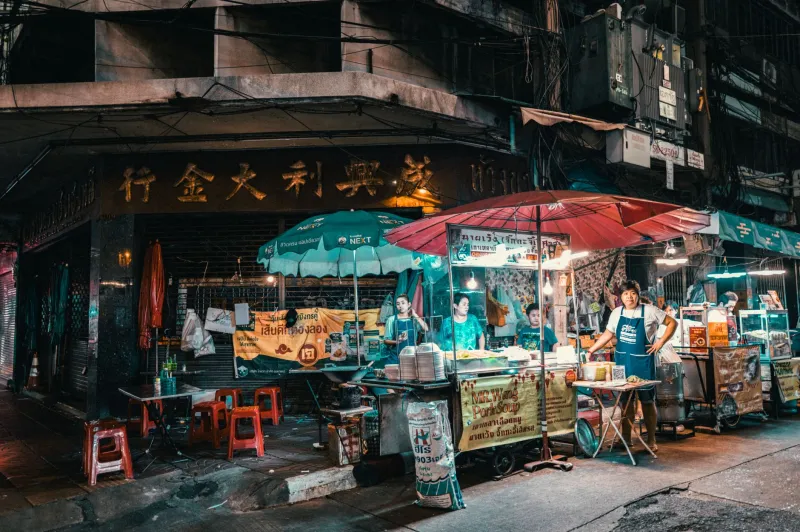
Let's get the obvious objection out of the way: yes, Pattaya is famous for its party scene. But digital nomads who've written it off based on reputation alone are leaving serious value on the table. The same infrastructure that supports a massive international tourism industry — reliable power, fast internet, abundant food options, easy transportation — turns out to be exactly what remote workers need. Add in a cost of living that makes even Chiang Mai look pricey by comparison, and Pattaya starts looking less like a guilty pleasure and more like a genuinely smart choice.
Here's what you actually need to know before you pack your laptop and book a one-way flight.
Internet Reality Check: What Speeds Actually Look Like
The internet situation in Pattaya in 2024 is, bluntly, better than most American nomads expect. True Fiber and AIS Fiber have solid coverage across the city's main areas — Pattaya Beach Road, Jomtien, Pratumnak Hill, and Naklua all have reliable connectivity. Download speeds in the 200–500 Mbps range are achievable at most modern condos and many cafes, though real-world performance varies.
For video calls and cloud-based work — the stuff that actually matters — you'll rarely hit a wall. Latency to US-based servers runs slightly higher than you'd see stateside, which is worth knowing if your work involves real-time trading platforms or anything that's genuinely latency-sensitive. For the vast majority of remote work, though, it's a non-issue.
One practical tip: get a local SIM card immediately upon arrival. AIS and DTAC both offer solid data packages, and 4G coverage in the city is extensive enough that a mobile hotspot can serve as a reliable backup when café Wi-Fi disappoints.
The Best Cafes for Actually Getting Work Done
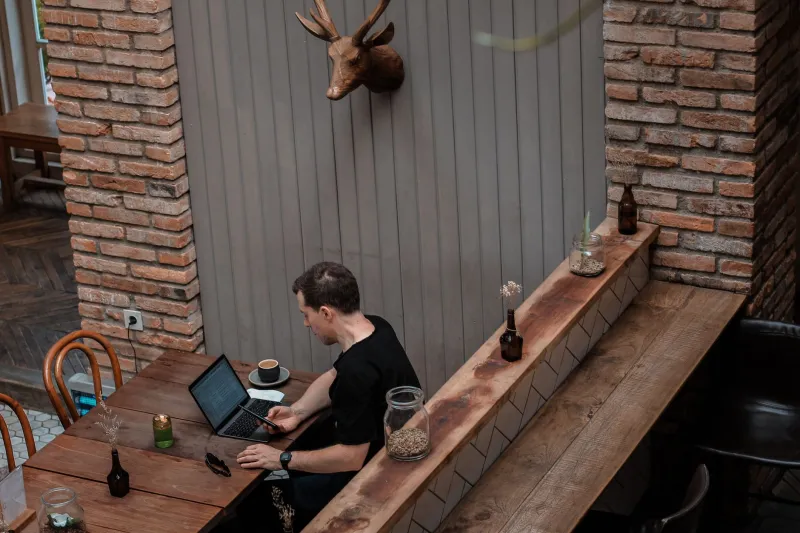
Pattaya's café scene has matured considerably over the past few years. You're no longer limited to tourist-facing coffee shops with spotty Wi-Fi and uncomfortable chairs. A few standouts worth knowing:
Cafe Amazon locations are everywhere and consistently reliable for a quick work session — they're the Thai equivalent of a Starbucks with better prices and surprisingly good connectivity. Don't expect a quiet, focused environment, but for a two-hour work block, they work.
The Hive Pattaya (and similar specialty coffee spots in the Thapphraya Road area) attract a more laptop-friendly crowd and tend to have better seating for extended sessions. Arrive before noon to claim a good spot near an outlet.
Jomtien Complex area cafes — particularly along the quieter sois off the beach road — offer a noticeably calmer atmosphere than the Beach Road bustle. If you need to focus, heading south toward Jomtien is often the right call.
Pro tip for Americans: ordering a large iced Americano and nursing it for three hours is completely socially acceptable here. Café culture in Thailand is generally relaxed about laptop campers, especially outside peak hours.
Coworking Spaces: Your Best Bet for Serious Productivity
For full-time remote workers who need a dedicated setup, Pattaya's coworking scene is smaller than Bangkok's but functional and growing. A few options worth investigating:
HUBBA Pattaya and similar coworking hubs offer day passes, weekly rates, and monthly memberships that undercut Bangkok equivalents significantly. Monthly hot-desk memberships typically run in the $80–$150 range — a fraction of what you'd pay in a US city.
Dedicated desks and private offices are available at several spots and can be genuinely good value if you're committing to a month or more. The communities tend to be smaller and more international than you'd find in a major hub city, which can actually be a plus — you get to know people quickly.
Check Facebook groups like "Pattaya Digital Nomads" and "Pattaya Expats" for current recommendations, since the coworking landscape shifts and new spots open regularly. Crowdsourced, real-time intel from people actively working in the city beats any static list.
Visa Considerations for American Remote Workers
This is where you need to do your homework, because Thailand's visa situation has some nuance. As of 2024, Americans can enter Thailand visa-free for up to 30 days, with a possible 30-day extension at a local immigration office. That's a 60-day window without much bureaucratic hassle.
For longer stays, the Thailand Long-Term Resident (LTR) Visa — introduced in 2022 and aimed specifically at remote workers and digital nomads — is worth serious investigation. It offers a 10-year renewable visa, a work permit for remote work with overseas employers, and various tax benefits. Eligibility requirements include income thresholds (typically $80,000+ annually from overseas sources) and health insurance coverage. It's not for everyone, but for established remote workers earning solid US salaries, it's a legitimate option.
The Thailand Elite Visa is another route for those who want simplicity over complexity — it's essentially a long-stay visa you purchase, with multi-year options available. Expensive upfront but hassle-free.
Do not work on a tourist visa for a Thai-based employer. Remote work for a foreign employer in a legal gray area is different, but always consult a qualified Thai immigration attorney before making assumptions.
Cost of Living: The Numbers That Make Nomads Pay Attention
Here's where Pattaya genuinely shines. A comfortable, functional life as a remote worker — nice condo with fast internet, daily meals, transportation, occasional entertainment — can be maintained for $1,500–$2,500 per month depending on your lifestyle. That's a number that's increasingly hard to match in popular nomad destinations.
Condos with fiber internet, a gym, and a pool run $400–$800/month in most areas. Street food meals cost $1–3. Grab (the regional Uber equivalent) rides across the city rarely exceed a few dollars. Even mid-range restaurants with AC and decent cocktails won't break the bank by American standards.
For Americans earning US-level remote salaries and paying relatively low Thai living costs, the financial math is compelling. The lifestyle arbitrage is real.
The Honest Trade-offs
Pattaya isn't perfect for every remote worker. If you need constant cultural stimulation, a thriving arts scene, or the kind of deep creative community you'd find in a major city, you might find it limiting after a few months. The city is fun and livable, but it's not cosmopolitan in the way Bangkok is.
The nightlife can also be a distraction — which sounds like a weird thing to warn about, but if you're the type who struggles with work-life boundaries, Pattaya will test you. The city never really goes to sleep, and the temptation to knock off early and head to the beach is persistent.
That said, for disciplined remote workers who want comfort, affordability, fast internet, and easy access to the rest of Southeast Asia — Pattaya deserves to be on your shortlist. It just took a while for the rest of the nomad world to notice.