Eating Your Way Through Pattaya: An Honest Food Guide for Americans Who Actually Want to Taste Thailand
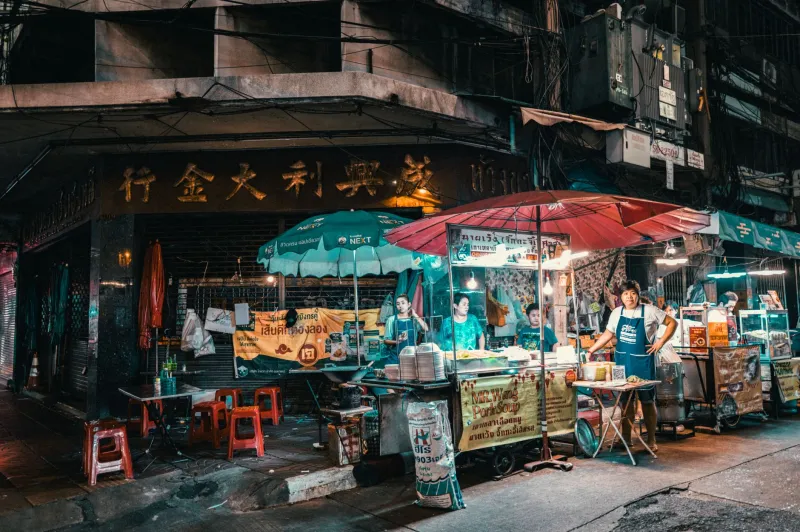
There's a version of eating in Pattaya that involves air-conditioned restaurants with English menus, familiar-looking dishes, and prices that feel suspiciously close to back home. That version exists, it's fine, and it's entirely your choice. But there's another version — noisier, cheaper, more chaotic, and infinitely more rewarding — happening on plastic stools at the edges of night markets, in shophouse kitchens that have been serving the same dish for thirty years, and at street carts that don't have names, let alone Yelp reviews.
This guide is for the second version.
Start Your Morning Right: Breakfast Thai-Style
Most Americans arrive in Thailand expecting breakfast to be the easiest meal to navigate. It's actually where cultural differences hit hardest, because Thais eat savory food in the morning without a second thought. Rice congee (jok) with minced pork, a fried egg, and ginger is a breakfast staple that sounds weird until you try it at 7 a.m. and realize it's exactly what your body wanted.
For jok, head toward the fresh markets — Thepprasit Market area and the Naklua Market both have vendors setting up before sunrise. A bowl runs about 40–60 baht (roughly $1–1.50). If you're not quite ready to commit to savory rice porridge, Thai-style toast with pandan custard or condensed milk from a street cart is a gentler entry point that's genuinely delicious.
Khanom krok — small, coconut-milk pancakes cooked in a cast-iron mold — are another morning street food that Americans tend to love immediately. Find the cart, watch them cook, eat them hot. Simple.
The Markets You Need to Know
Thepprasit Night Market is the one most locals point to first, and for good reason. Open on weekends, it's a sprawling mix of clothing, household goods, and food stalls that serves the local community rather than the tourist economy. Prices reflect that. Grilled meats on skewers, pad Thai cooked to order, papaya salad, mango sticky rice — all at prices that'll make you feel slightly guilty. Go hungry, go with cash, and plan to wander.
Naklua Market (sometimes called the Naklua Seafood Market) is the spot for fresh seafood bought directly from vendors and either taken home or, at some stalls, cooked on the spot. It's less organized than a formal restaurant experience and considerably more interesting. Point at what looks good, negotiate gently, and be open to improvisation.
Pattaya Floating Market gets a mixed reputation — it's touristy, no question — but the food stalls around the perimeter are actually solid, and it's a useful introduction to regional Thai dishes that don't always appear on standard restaurant menus.
Must-Try Dishes and Where to Find Them
Pad Kra Pao (Thai basil stir-fry): This is arguably Thailand's most everyday dish — minced pork or chicken stir-fried with Thai holy basil, fish sauce, oyster sauce, and chilies, served over rice with a fried egg on top. Find it at any shophouse restaurant or street stall. If you only eat one thing in Pattaya, make it this.
Som Tum (green papaya salad): The Isaan version — made with fermented crab or fermented fish paste — is significantly more pungent and funky than the tourist-softened versions you'll find at upscale Thai restaurants in the US. Try it at a som tum cart. If the vendor looks amused when you order, you're probably doing it right.
Khao Man Gai (poached chicken rice): A dish so simple it seems impossible that it could be this good. Silky poached chicken over fragrant rice cooked in chicken broth, served with a ginger-soy dipping sauce. Look for the stalls with whole chickens hanging in the window — that's your sign.
Seafood: Pattaya's proximity to the Gulf of Thailand means the seafood is genuinely fresh and genuinely excellent. Grilled whole fish with garlic and coriander, stir-fried clams with roasted chili paste, and tom yum goong (spicy shrimp soup) are all worth seeking out. For the best value, avoid the seafood restaurants right on Beach Road and head slightly inland or toward Naklua.
Honest Talk About Food Safety
Okay, let's address the elephant in the room, because every American planning a Thailand trip has Googled "food safety Thailand" at some point. Here's the honest take:
Street food in Thailand is generally safer than its reputation suggests, partly because high turnover means food is always fresh and hot, and partly because Thai vendors have strong incentives to not make their customers sick. The risk isn't zero, but it's not the gastrointestinal Russian roulette some travel forums make it sound like.
Practical precautions that actually matter: eat at busy stalls (high turnover = fresher food), stick to cooked dishes initially while your gut adjusts, be thoughtful about raw shellfish if your stomach is sensitive, and drink bottled water. Ice at established restaurants and market stalls is generally made from purified water and is fine — the days of "no ice" being a universal rule are largely outdated in urban Thailand.
Bring some Imodium and electrolyte packets just in case. Most visitors have zero issues; some spend a day or two adjusting. Either way, don't let anxiety about it stop you from eating well.
For Vegetarians and People with Dietary Restrictions
Vegetarianism is workable in Pattaya, but requires some navigation. The Thai phrase "kin jay" (eating vegetarian/vegan in a Buddhist sense) will get you further than "vegetarian" at local spots. Look for the yellow flags at some stalls — these indicate jay food, which is fully plant-based.
Gluten-free eating is trickier because soy sauce (containing wheat) appears in a lot of Thai cooking. Fish sauce and oyster sauce are also widespread, so pescatarians and vegans need to communicate clearly. The phrase "mai sai nam pla" (no fish sauce) is worth memorizing.
Peanut allergies are a real concern in Thai cuisine — pad Thai and many curry-adjacent dishes include peanuts routinely. Always communicate clearly and don't assume a dish is safe because it looks familiar.
The Splurge-Worthy Spots
Not every meal needs to be street food. Pattaya has a handful of restaurants that deliver genuinely elevated Thai cuisine without the tourist-trap pricing. The Rooftop restaurants along Pratumnak Hill offer both quality food and views that justify a slightly higher tab. Several seafood restaurants in the Naklua area have earned loyal local followings by doing simple things — grilled fish, steamed crab, cold beer — exceptionally well.
For Americans used to spending $50–$100 on a nice dinner, a truly excellent meal in Pattaya's best restaurants will feel like a bargain. That's the fun part.
The Bottom Line
Eating well in Pattaya is less about finding the right restaurant and more about being willing to follow your nose, sit on a plastic stool, and order something you can't quite pronounce. The city's food culture rewards curiosity and gently punishes timidity. Show up hungry, stay open-minded, and Pattaya will feed you better than you expected.