Pattaya's Internet Reality Check: What Remote Workers Discover After They Arrive

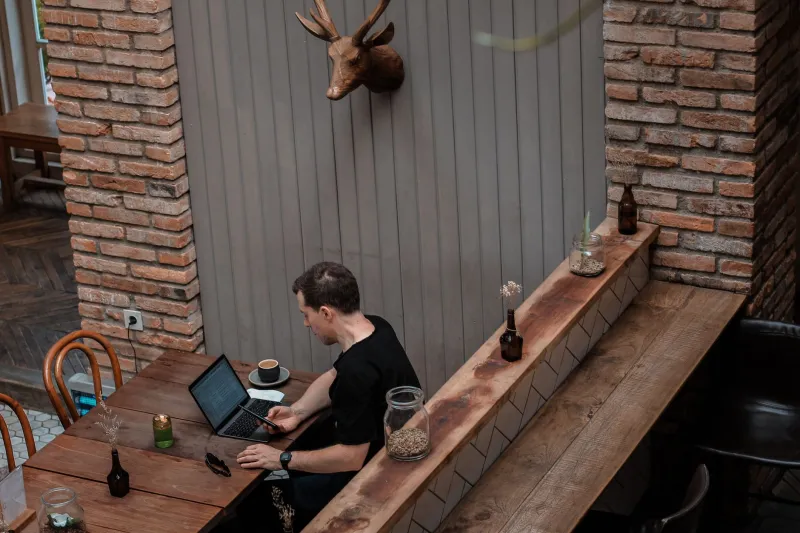
Everybody's seen the photos. Some guy with a laptop, a Chang beer, and a rooftop view, supposedly crushing a 40-hour workweek from a beach city in Thailand. Pattaya gets name-dropped constantly in digital nomad circles as one of Southeast Asia's best bases, and honestly, on a lot of levels it deserves the hype. Cost of living? Excellent. Food scene? Legitimately great. Things to do when you close the laptop? More than you'll ever get through.
But then there's the internet. And that's where the conversation gets real.
The truth is, connectivity in Pattaya is neither the catastrophe some expat forums make it out to be nor the seamless fiber-to-every-desk utopia that travel bloggers imply. It's somewhere in the middle — and knowing exactly where that middle sits before you arrive will save you a serious amount of stress.
What the ISP Landscape Actually Looks Like
Thailand's major internet providers all operate in Pattaya, and the big names you'll encounter are AIS Fibre, True Online, and 3BB. Each has its loyalists and its detractors, and the honest answer is that performance varies significantly depending on your specific neighborhood and building.
AIS Fibre tends to get the strongest reviews from remote workers who need consistent upload speeds — important if you're on video calls all day or pushing large files. Their customer support infrastructure is more developed than some competitors, which matters when something goes wrong at 9pm before a morning deadline.
True Online is widely available and often the default option in condos that have pre-existing contracts with the building. Speeds are generally solid in more central areas like Jomtien and parts of central Pattaya, but Americans who've settled into quieter neighborhoods off Sukhumvit Road sometimes report that consistency drops.
3BB is the budget option and it shows — fine for casual browsing, but remote workers doing anything bandwidth-intensive tend to upgrade eventually.
Here's the catch nobody mentions in the nomad guides: your building matters as much as your provider. A condo complex with outdated internal wiring can bottleneck a 500 Mbps fiber connection down to something embarrassing. Before you sign any lease, ask specifically whether the unit has a direct fiber drop or whether you're sharing building infrastructure with fifty other apartments.
The Mobile Data Backup You Absolutely Need
Every remote worker in Pattaya who's been here longer than a month will tell you the same thing: run a mobile hotspot as your backup, always. This isn't paranoia — it's just how life works here.
AIS and DTAC (now merged under AIS) both offer prepaid SIM packages with generous data allowances that are genuinely affordable by American standards. A monthly plan with 30-50GB of high-speed data and unlimited throttled data afterward runs somewhere in the range of 300-600 baht — that's under $20. For the cost of two coffees back home, you have a reliable fallback when your home connection decides to take a personal day.
True Move H is another option worth considering. Their network coverage across Chonburi province (the region Pattaya sits in) is strong, and several long-term American residents swear by them specifically for hotspot reliability during the rainy season, when fixed-line performance can get unpredictable.
Get a dual-SIM phone or a dedicated travel router if you're serious about this. Routing your mobile data through a portable router means your laptop, tablet, and everything else stays connected through one device, which keeps things clean.
Coworking Spaces Worth Your Money
Some days you just need to get out of the apartment, and Pattaya's coworking scene — while smaller than Bangkok's — has a few spots that are genuinely worth the membership fee.
CAMP (Coffee & More Pattaya) functions less as a formal coworking space and more as a reliable work café with consistent AC and decent WiFi. It's not a dedicated workspace, but it works in a pinch and the coffee is good.
For something more structured, Pattaya Beach Cowork and a handful of newer spaces that have opened up near the Jomtien area offer day passes and monthly memberships with dedicated desks, proper ergonomic setups, and most importantly — business-grade internet connections that aren't shared with a residential building.
The real advantage of a coworking membership isn't just the faster internet. It's having a guaranteed fallback location when your home connection goes sideways. Americans who work with US clients across time zones know that a dropped connection at 10pm Thai time (9am Eastern) isn't just annoying — it costs money and credibility. Having a 24-hour access coworking card in your wallet is cheap insurance.
Troubleshooting Tips From People Who've Lived It
A few practical pieces of advice pulled from real conversations with Americans who've been working remotely out of Pattaya for anywhere from six months to several years:
Test before you commit. If you're renting a new place, ask the landlord to let you run a speed test during the daytime and in the evening. Evening hours (roughly 7-10pm) are peak usage time and that's when you'll see whether the connection actually holds up.
VPN performance is real. Many remote workers need a VPN for work access. Not all VPN services perform equally over Thai ISP infrastructure. ExpressVPN and NordVPN both have servers optimized for Southeast Asia and generally work well here. Some cheaper VPN services will tank your effective speeds badly enough to make video calls unusable.
Rain and the rainy season matter. Between May and October, Pattaya gets serious rainfall. This doesn't kill fiber connections, but it can affect signal quality on mobile networks. Plan accordingly if you have critical calls scheduled.
Report issues fast. Thai ISPs don't always proactively monitor residential line quality. If your speeds drop significantly for more than a day, call it in immediately. AIS in particular has a reasonably responsive technical support line, and problems that get reported tend to get resolved faster than ones that don't.
Your router matters. The default routers ISPs provide are often mediocre. Picking up a mid-range ASUS or TP-Link router at one of Pattaya's electronics shops (Central Festival has a good selection) can meaningfully improve your home network performance, especially in larger units.
The Bottom Line
Pattaya's internet is workable — genuinely workable — for remote work, but it requires a bit more setup and redundancy than you'd build into your home office back in the States. The people who struggle here are usually the ones who assumed everything would just work out of the box. The ones who thrive are the ones who treated connectivity like the infrastructure decision it actually is: research your ISP, vet your building, grab a solid mobile backup, and know where your nearest coworking space is.
Do that, and you'll find that Pattaya delivers on most of its remote work promises. The lifestyle is real. The cost savings are real. The beach at sunset after you close your last Zoom call is very, very real. You just have to put in a little homework first.