Border Runs From Pattaya: How to Stop Dreading Them and Start Working the System
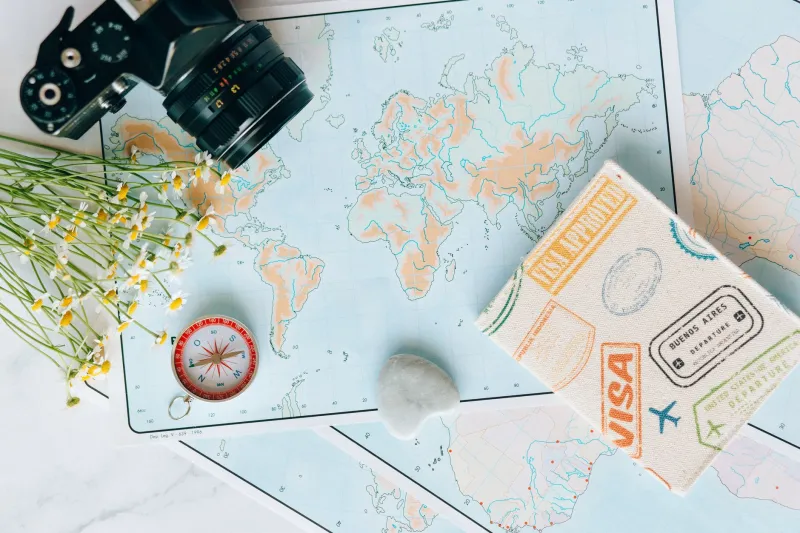
Somewhere around month two of living in Pattaya, it hits you. You're sipping a coffee on your balcony, life is genuinely good, and then your phone calendar pings: visa expiry in 14 days. The dread is real. The visa run looms like a dentist appointment you've been putting off — necessary, mildly uncomfortable, and impossible to skip.
Here's the thing though: it doesn't have to be that bad. Plenty of Americans who've been cycling through Pattaya for years have turned border runs into a semi-enjoyable ritual. A few have even started looking forward to them. The difference between a miserable day trip and a decent mini-adventure mostly comes down to planning, realistic expectations, and knowing which route actually works for your situation.
Let's break it all down.
What a Visa Run Actually Is (and Isn't)
First, a quick reality check for anyone new to this game. A visa run is when you physically leave Thailand, cross into a neighboring country, and re-enter to reset your permitted stay — typically another 30 days if you're arriving by land, or up to 30 days on a standard tourist visa entry depending on your situation.
This is different from a visa extension, which you do at the Pattaya Immigration Office on Jomtien without leaving the country. If you haven't explored that option yet, it's worth checking — a 30-day extension for around 1,900 baht can buy you breathing room before your next run.
But if you're living here long-term on tourist entries, the border run is eventually coming for you. Might as well make peace with it.
The Cambodia Option: Aranyaprathet to Poipet
This is the classic. The Aranyaprathet–Poipet crossing is the go-to for most Pattaya residents because it's the closest international border and the most well-worn path. Dozens of minivan services run from Pattaya directly to the border, usually departing early morning from various pickup points around Jomtien and central Pattaya.
The basics: Round-trip minivan costs typically run between 600 and 900 baht depending on the service. The whole trip — door to door — usually takes 10 to 14 hours. You'll spend a chunk of that in transit, a couple hours at the border itself, and some time waiting on the Thai side for your re-entry stamp.
The honest truth about Poipet: It's not pretty. The Cambodian side of this crossing is a casino town built for exactly this purpose — visa runners and gamblers. You're not going to discover hidden Cambodia here. You'll see a dusty strip of casinos, some aggressive touts, and a whole lot of other farang doing the same thing you're doing. Embrace the absurdity of it.
Pro tips for Aranyaprathet–Poipet:
- Bring exactly the right amount of cash. The Cambodian border visa fee (if you need one) runs around $30 USD, and small fees pop up at various windows. Exact change makes everything smoother.
- Don't pay anyone to "help" you through the line unless you genuinely need assistance. The process is confusing the first time but straightforward once you know the flow.
- Bring snacks, a book, a downloaded show — something. The waiting is real.
- Book a reputable minivan service. Ask in expat Facebook groups for current recommendations, because operators change quality over time.
The Laos Option: Nong Khai to Vientiane
If you're up for turning your visa run into something that actually resembles travel, the Nong Khai crossing into Vientiane, Laos is a different animal entirely. It's farther from Pattaya — you're looking at a flight to Udon Thani or an overnight bus/train to Nong Khai — but Vientiane is a genuinely pleasant city worth a day or two of your time.
Why bother? Vientiane has a slow, slightly sleepy French-colonial charm that's completely different from anywhere in Thailand. Good coffee, decent food, and a vibe that feels like Southeast Asia from 20 years ago. If you're going to be out of Thailand anyway, stretching it into a two or three-day trip costs you maybe an extra $50 to $100 but gives you an actual experience.
The practical side: Flights from Bangkok to Udon Thani are cheap and frequent. From there, the border crossing at Nong Khai via the Friendship Bridge is efficient compared to the chaos of Poipet. Many Americans on longer stays in Pattaya make the Laos run quarterly and use it as a reset — different food, different scenery, different pace.
The Malaysia Option: For When You Want It to Actually Feel Like a Trip
Penang, Malaysia is the visa run destination that people stop calling a visa run. It's a UNESCO-listed city with some of the best street food in Asia, gorgeous colonial architecture, and a genuinely interesting culture that blends Chinese, Malay, and Indian influences in ways that feel nothing like Thailand.
Getting there from Pattaya requires a flight — Bangkok to Penang is usually under $80 round-trip if you book with a few weeks' notice on AirAsia or similar. You're looking at a real trip, not a day run. But if you schedule it right and stay three or four nights, you've essentially turned a bureaucratic obligation into a proper mini-vacation.
Many long-term Pattaya expats rotate their border runs: Cambodia for the quick-and-dirty reset, Laos for a chill two-day break, Malaysia for the quarterly trip worth actually planning.
The Immigration Office Extension: Don't Skip This Step
Before you commit to any border run, visit the Pattaya Immigration Office in Jomtien. It's worth the trip. A single 30-day extension buys you extra time and means you can plan your border run on your own schedule rather than racing against a deadline. The office can also clarify your current visa type and tell you exactly what your re-entry situation looks like — which avoids expensive surprises at the border.
Avoiding the Common Mistakes
Don't cut it too close. Overstaying your visa in Thailand is not a gray area. The fines are real, the blacklist risk is real, and the stress of cutting it to the wire is completely avoidable with basic calendar management.
Know the land-entry limits. Thailand has, at various points, tightened rules on consecutive land border entries. The rules shift, so check current expat forums and the official Thai immigration website before assuming last year's approach still applies.
Don't use sketchy visa run services. Cheap isn't always better. A few extra dollars for a reliable minivan service with actual vehicles that won't break down in the middle of nowhere is worth it every time.
Keep copies of everything. Passport copy, current visa stamp, entry/exit cards. Carry them separately from your actual passport.
Making Peace With the Process
Visa runs are one of those things that separates people who are truly committed to the Pattaya expat life from people who are just visiting for a while. If you're going to be here, they're part of the deal — at least until you qualify for a longer-term visa arrangement.
The Americans who handle them best are the ones who build them into their rhythm rather than treating each one as a crisis. Schedule them early. Pick a route you can tolerate. Bring something to read. And if you can, bring a friend — the Poipet casino strip is significantly more entertaining with company.
The border will still be there. The stamp will still get inked. Might as well enjoy the ride.