Visa Roulette: How to Stop Gambling With Your Legal Status in Pattaya

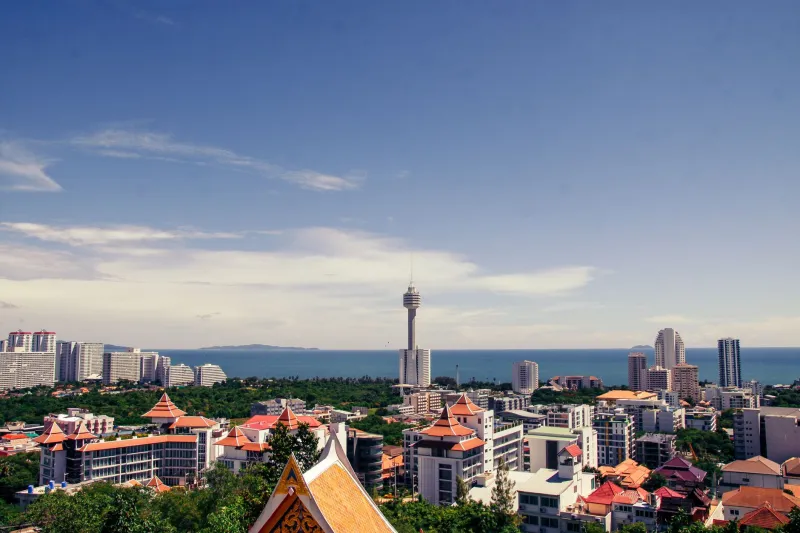
Photo by Photo by Margo Evardson on Unsplash on Unsplash
There's a moment that almost every long-term American in Pattaya knows well. You're sitting at the immigration office, watching the clock, wondering if today is the day the officer decides your stack of tourist visa extensions looks a little too neat, a little too practiced. Your stomach does a slow roll. You smile anyway.
This is what living on the wrong visa strategy feels like—not illegal exactly, but uncomfortable in a way that never quite goes away. And the frustrating thing is, for most people, it's completely avoidable.
Pattaya's visa landscape is genuinely complicated, and the stakes are higher than most newcomers realize. This isn't a basic explainer about how to fill out a TM.30 form. This is about the strategic decisions that determine whether your time here feels stable and sustainable—or whether you spend half your mental energy worrying about your next stamp.
The Tourist Visa Trap Nobody Warns You About
The default path for most Americans is the tourist visa—either a visa exemption on arrival (30 days, extendable once for another 30) or a proper tourist visa obtained at a Thai consulate abroad (60 days, extendable once for 30 more). For a short trip, this is completely fine. For anyone planning to stay longer, it's where things get murky.
The problem isn't legality, at least not initially. The problem is perception. Thai immigration officers have broad discretionary power, and they pay attention to patterns. Show up with a passport full of back-to-back tourist stamps and you're signaling something: you're living here without a visa that reflects that reality. Officers at busy crossings like Aranyaprathet or the airport can and do deny entry to people who appear to be "visa running" indefinitely.
Real talk: Americans have been turned away at the border after what looked like a routine run. It doesn't happen constantly, but it happens enough that treating tourist visa extensions as a permanent lifestyle strategy carries genuine risk.
Border Runs: The Math Nobody Does
Let's put some numbers on this, because the cost of convenience is often invisible until you add it up.
A bus border run to Cambodia from Pattaya costs around $30–50 all-in. Do that every 60–90 days and you're spending $120–200 per year minimum—plus a full day of your time, plus the stress, plus the very real possibility that one bad day at the border costs you everything.
Contrast that with a Non-Immigrant O-A (retirement) visa, which runs about $200 in consulate fees and requires proof of $25,000 in a Thai bank account or a pension income threshold. That's a one-year, multi-entry visa with a path to annual renewal. For anyone 50 or older, this is almost always the smarter play—not just financially, but psychologically.
The people who thrive here long-term tend to front-load the bureaucratic effort. They do the paperwork, open the bank accounts, gather the documents—and then they stop thinking about their visa for a year at a time.
The ED Visa: Useful Tool or Legal Gray Zone?
The Education (ED) visa deserves its own honest assessment. Technically, it's issued to students enrolled in accredited Thai language schools or other educational programs. In practice, it became—for a while—a popular workaround for people who wanted long-term stays without meeting retirement or business visa requirements.
Immigration authorities have tightened scrutiny significantly. Schools that exist primarily to sell visa extensions rather than teach anything have been shut down. Officers now sometimes verify enrollment more carefully. If you're genuinely studying Thai, an ED visa is legitimate and useful. If you're paying tuition primarily for the stamp, you're operating in a gray area that could get messier over time.
The honest advice here: if you're using an ED visa, actually go to class. It protects you legally, and honestly, learning even basic Thai makes your life here considerably better.
What Actually Happens When It Goes Wrong
This is the part most visa guides skip, so let's go there.
Overstaying your visa in Thailand results in a fine of 500 baht per day, capped at 20,000 baht (roughly $560). That sounds manageable until you realize that an overstay also goes on your record and can result in a ban from re-entering Thailand—one year for short overstays, up to ten years for longer ones.
Beyond overstays, there are subtler problems. Failing to report your address every 90 days (the TM.47 form) technically carries a 2,000 baht fine. Most people forget occasionally and nothing happens—but it's another loose thread in a visa situation that's already fraying.
Americans who've had genuine visa crises in Pattaya tend to describe the same experience: it felt manageable until suddenly it wasn't. A new officer at a familiar checkpoint. A crackdown period that nobody announced. A consulate that changed its documentation requirements without notice.
Building a Visa Strategy That Actually Fits Your Life
The right visa isn't the cheapest one or the easiest one—it's the one that matches your actual situation.
Under 50 and working remotely? Thailand's Long-Term Resident (LTR) visa, launched in 2022, is worth serious investigation. It targets remote workers with income above $80,000 per year and offers a 10-year renewable visa with minimal reporting requirements. The income threshold is real, but for Americans earning US salaries while living in Thailand, it's often achievable.
Retired or 50+? The Non-O-A retirement visa remains the gold standard. Yes, the bank balance requirement feels significant, but the peace of mind it buys is worth more than most people account for.
Business owner or investor? The Non-B visa and BOI promotion routes exist, but they require actual business structure in Thailand. This isn't a tourist visa with a fancier name—it requires real compliance.
Whatever path you choose, one piece of advice comes up repeatedly from long-term expats: hire a reputable visa agent or immigration lawyer for at least your first application. The cost is modest (typically $100–300), the guidance is current, and the alternative—getting something wrong and facing the consequences—is far more expensive.
Pattaya rewards people who get their foundations right. Your visa situation is the foundation everything else sits on. Get it solid, stop thinking about it, and get back to actually enjoying the place.