Skip the Strip: How Pattaya's Real Neighborhoods Will Completely Change Your Trip
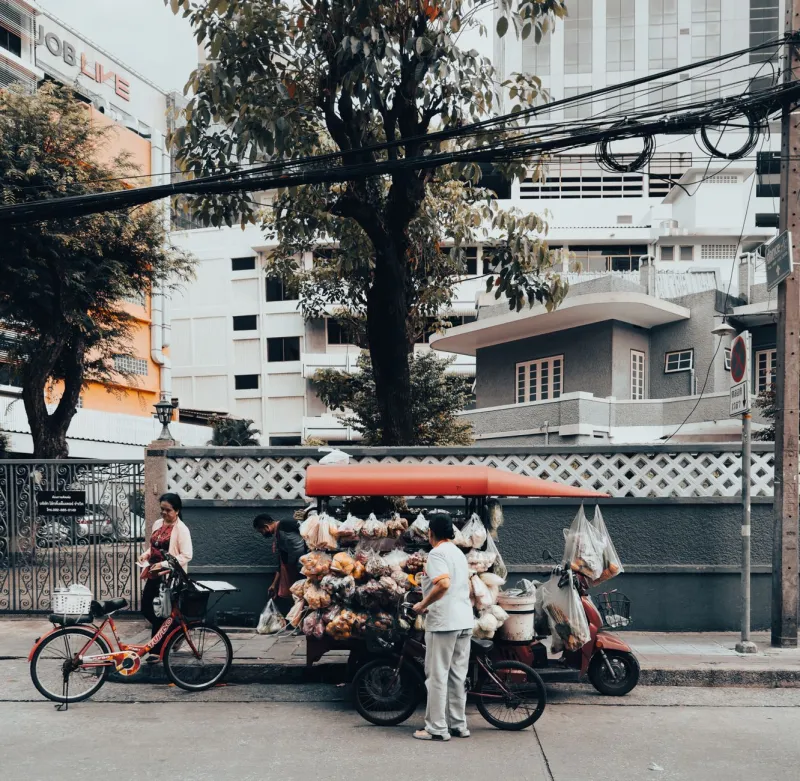
Here's something most first-time visitors to Pattaya never figure out: the city you see from the beachfront is basically a stage set. It's built for tourists, priced for tourists, and honestly, experienced by tourists. The real Pattaya — the one where people wake up early, grab breakfast from a cart on the corner, argue good-naturedly with their neighbors, and live actual lives — is tucked away in the residential districts that most travelers zoom past in a baht bus without a second glance.
If you've got even a day or two to spare, pulling yourself away from the familiar strip and wandering into places like Nong Prue or Bang Lamung will do something that no beach bar or rooftop pool ever could: it'll make you feel like you actually went somewhere.
Why Tourists Miss These Places (And Why That's Good News for You)
Pattaya's tourist infrastructure is so well-developed that it creates a kind of gravity. The hotels, the bars, the massage parlors, the chain restaurants — they all pull visitors into a compact zone that runs roughly from North Pattaya Road down to Walking Street. That zone is convenient, sure. But convenience has a cost, and in this case, the cost is authenticity.
The residential neighborhoods that fan out to the west and south of central Pattaya don't have neon signs or tuk-tuks waiting to shuttle you to the next attraction. What they do have is the texture of real Thai urban life — and for a lot of American travelers who've made the long haul to Southeast Asia specifically to experience something different, that texture is exactly what they came for.
Nong Prue: The Neighborhood That Does Everything Right
Nong Prue sits just inland from Jomtien Beach and is one of the most densely populated sub-districts in the greater Pattaya area. It's technically part of Bang Lamung District, but locals treat it as its own distinct community — and once you spend a few hours there, you'll understand why.
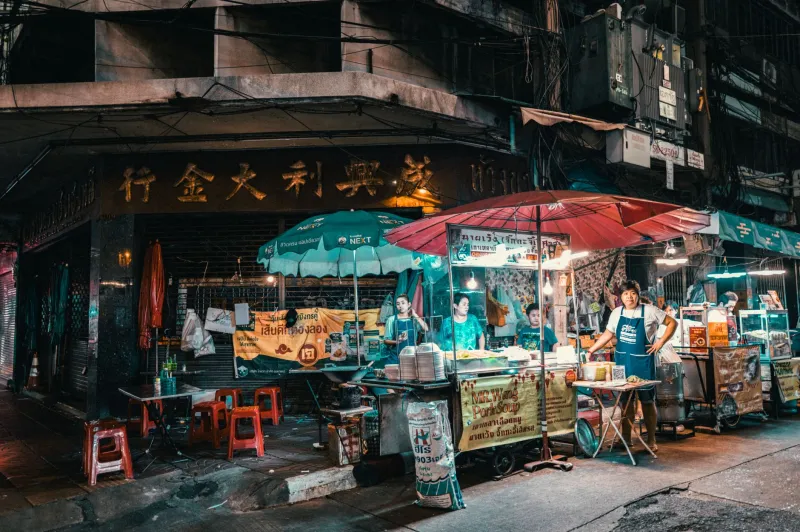
The morning market on the back streets near Soi Khao Talo is worth setting an alarm for. Vendors set up before sunrise selling things like khao tom (rice soup), grilled pork skewers, and fresh tropical fruit at prices that'll make your jaw drop if you've been eating exclusively in tourist-facing restaurants. A full breakfast here might run you 60 to 80 baht — that's less than three bucks.
Beyond the food, Nong Prue has a rhythm that's genuinely calming. Kids walk to school. Motorcycles weave between small shops selling hardware, phone accessories, and household goods. There are Buddhist shrines tucked into unexpected corners, draped in marigolds and incense smoke. It's not curated for anyone's Instagram — it just exists, and that's kind of the whole point.
Bang Lamung: Where Pattaya's History Actually Lives
Bang Lamung is the administrative district that encompasses Pattaya, but the Bang Lamung town center itself — located north of the city proper — feels like a completely separate world. This is old-school Thailand: a modest market town with a history that predates Pattaya's tourist boom by centuries.
The Bang Lamung Market is a legitimate local institution. Unlike the night bazaars near Beach Road that cater almost exclusively to visitors, this one serves the community. You'll find vendors selling everything from fresh seafood and vegetables to traditional herbal medicines and handmade goods. Prices are low, the vibe is unhurried, and the food stalls scattered throughout are some of the most consistently good eating you'll find anywhere in the region.
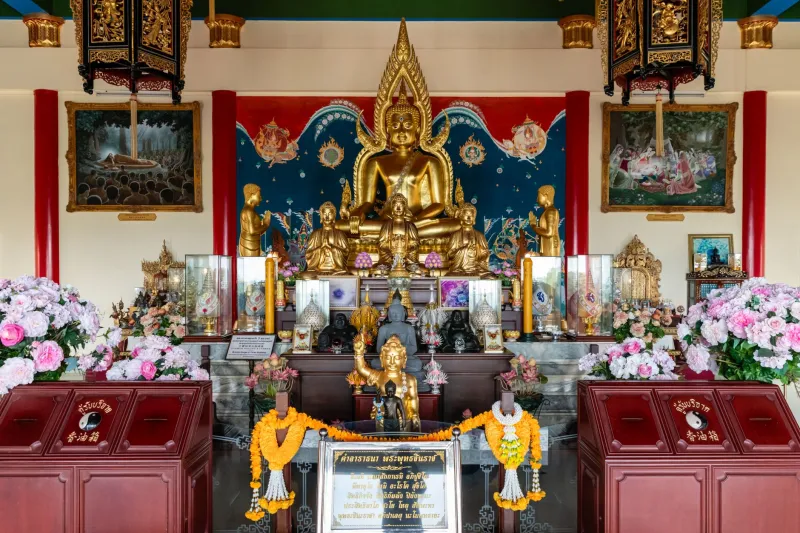
The district also has a quieter spiritual presence than central Pattaya. Several older temples here see mostly local worshippers rather than tourist foot traffic, which changes the atmosphere entirely. If you've visited the big-ticket temples like Wat Phra Yai (the Big Buddha Hill) and felt a little like you were at an attraction rather than a place of worship, stepping into a smaller neighborhood temple in Bang Lamung is a genuinely different experience.
Practical Tips for Exploring on Your Own
Getting out to these neighborhoods is easier than most tourists assume. Baht buses — the red pickup truck songthaews that run along Beach Road — can get you close to several of these areas for 10 baht a ride. For more flexibility, grab-hailing through the Grab app (Thailand's answer to Uber) is reliable and cheap. A ride from central Pattaya to Bang Lamung town center shouldn't cost more than 80 to 120 baht.
A few things worth keeping in mind:
- Go in the morning. Local markets and food stalls are at their best between 6 and 10 a.m. By midday, many vendors pack up and the heat makes wandering less fun.
- Bring small bills. Street vendors and small shops rarely have change for large notes. Stock up on 20s and 50s.
- Learn two or three phrases. Even a basic sawasdee krap/ka (hello) and khob khun krap/ka (thank you) goes a long way in neighborhoods where English isn't widely spoken. Locals genuinely appreciate the effort.
- Don't over-plan. The best things you'll find in these neighborhoods are the things you stumble onto. Give yourself permission to get a little lost.
The Value Angle (Because Let's Be Honest, It Matters)
Beyond the cultural experience, there's a purely practical reason to spend time in Pattaya's residential areas: your money goes dramatically further. A sit-down meal at a local restaurant in Nong Prue might cost 80 to 150 baht. The same rough equivalent on Beach Road could easily run three to five times that. Accommodation in these neighborhoods — if you're open to guesthouses or apartment-style rentals — is often a fraction of beachfront hotel rates, with the added bonus of being surrounded by actual community rather than other tourists.
For digital nomads or longer-stay visitors, this value gap is even more significant. Many expats who've been in Pattaya for years live in exactly these kinds of neighborhoods, enjoying a quality of life that would be genuinely difficult to replicate in most American cities at anywhere near the same cost.
A Different Pattaya Is Waiting
Pattaya has a reputation, and that reputation isn't entirely unearned. But cities are always more than their reputations, and Pattaya is no exception. The neighborhoods where people actually live — where kids play in the evenings and grandmothers run noodle shops that have been in the family for decades — tell a story about this place that the tourist strip simply can't.
You don't have to skip the beach or avoid Walking Street entirely. But if you carve out even half a day to wander somewhere that wasn't designed for you, you might come home with something more valuable than a sunburn and a souvenir: a genuine sense of what this city is actually like.